
The hidden toll of gambling Exploring its impact on mental health
Understanding the Psychological Consequences of Gambling
The allure of gambling often masks the profound psychological effects it can have on individuals. Many people view gambling as a mere pastime or a source of entertainment, but for some, it transforms into a compulsive behavior that can lead to significant mental health challenges. Research indicates that individuals who engage in frequent gambling are at a higher risk of developing anxiety disorders, depression, and even suicidal thoughts. These psychological issues are often compounded by the stigma attached to gambling addiction, which can prevent individuals from seeking help. If you’re looking to get started, the spinboss casino registration offers a generous welcome package to help new players begin their journey.

The thrill of winning can create a dopamine rush similar to substance abuse, leading to repeated gambling despite negative consequences. This cycle of reward and loss can create significant emotional turmoil. For individuals who already suffer from mental health issues, gambling can exacerbate feelings of hopelessness and despair. As gambling becomes a means to escape reality, it can lead to a detrimental feedback loop that further entrenches the gambler in their mental health struggles.
Understanding these psychological consequences is essential for creating effective support systems. Mental health professionals are beginning to recognize the signs of gambling addiction as a unique subset of behavioral disorders, leading to tailored treatment programs that address both the addiction and underlying mental health issues. By shedding light on these consequences, we can better support those affected and facilitate healthier coping mechanisms.
The Link Between Gambling and Depression
Depression is a common mental health issue that often intertwines with gambling addiction. Many individuals who engage in gambling do so as a way to escape feelings of sadness or to momentarily lift their mood through the excitement of potential winnings. However, this temporary reprieve can lead to long-term emotional distress, as repeated losses and financial strain compound feelings of inadequacy and despair.
Statistics reveal a troubling correlation: individuals suffering from depression are more likely to engage in gambling, which can then exacerbate their depressive symptoms. The initial thrill of gambling can give way to feelings of guilt and shame when losses occur, creating a vicious cycle. This cycle can lead to isolation, as affected individuals may withdraw from friends and family, further deepening their depression.
Addressing this link between gambling and depression is vital for comprehensive treatment. Support groups, therapy, and educational resources can help individuals recognize their gambling behaviors and find healthier outlets for their emotions. By promoting awareness and understanding of this connection, we can foster a more supportive environment for those battling both gambling addiction and depression.
Anxiety Disorders and Gambling
Anxiety disorders are another common mental health issue that often co-occur with gambling addiction. The unpredictability of gambling can heighten anxiety levels, leading individuals to seek out gambling as a way to cope. However, the relief is often fleeting, and the subsequent losses can trigger heightened anxiety, leading to a cycle of compulsive gambling as a means to alleviate these feelings.
Individuals with anxiety disorders may find themselves increasingly drawn to the thrill of gambling as a way to escape their worries. This might manifest as a compulsive need to gamble more frequently or to chase losses in an attempt to regain control. Unfortunately, this approach typically leads to more severe anxiety, further entrenching individuals in their gambling behaviors. Understanding this interplay is crucial for developing effective intervention strategies.
Therapeutic interventions that address both anxiety and gambling behaviors can be particularly effective. Cognitive-behavioral therapy, for instance, can equip individuals with coping mechanisms to manage their anxiety without resorting to gambling. By addressing these dual concerns, treatment can help break the cycle of gambling addiction and promote overall mental well-being.
The Role of Financial Stress in Mental Health
Financial stress is a significant factor that can exacerbate mental health issues related to gambling. The financial implications of gambling can be severe, leading to debt, loss of savings, and strained relationships. This financial strain can create a constant state of anxiety and worry, which can trigger or worsen existing mental health conditions.
Individuals often gamble in hopes of achieving financial stability, but the reality is that gambling rarely provides a solution. Instead, it often leads to a downward spiral of financial instability and increased mental health challenges. The stress of financial hardship can hinder one’s ability to make sound decisions, further entrenching individuals in gambling behaviors that they may wish to escape.
Addressing financial stress is essential for individuals struggling with gambling addiction. Financial counseling, along with mental health support, can provide comprehensive assistance to those affected. By addressing both financial and psychological dimensions, individuals can begin to regain control over their lives and move towards healthier choices.
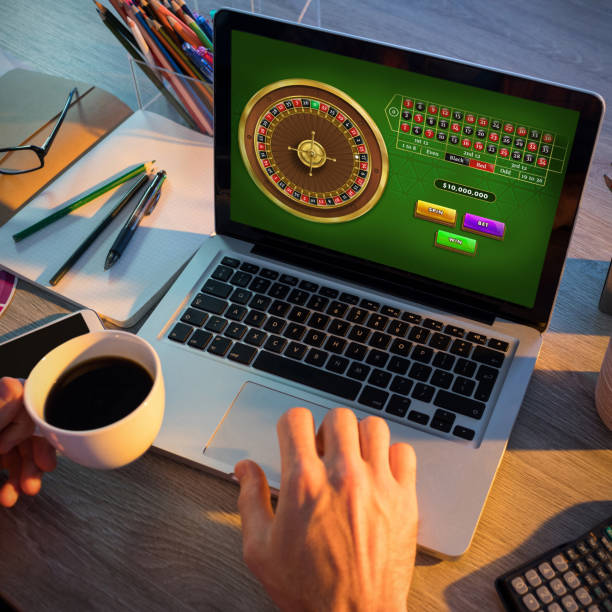
SpinBoss Casino: Promoting Responsible Gaming
At SpinBoss Casino, we recognize the importance of responsible gaming and the potential mental health implications of gambling. Our commitment to providing a secure and responsible gaming environment is paramount. We understand that while many enjoy gaming as a form of entertainment, it is crucial to remain aware of the signs of gambling addiction and its psychological effects.
We offer resources and support for players, including self-exclusion tools and access to mental health resources. Our goal is to create a safe space where players can enjoy gaming while being mindful of their mental health. We encourage open conversations about gambling and its impact, ensuring that players can make informed decisions about their gaming habits.
Join us at SpinBoss Casino and experience not just thrilling entertainment, but also a community that prioritizes mental health awareness and responsible gaming practices. Together, we can foster a healthier approach to gambling and support those who may be struggling with its hidden toll on mental health.
