
The historical evolution of casinos From ancient gaming to modern-day giants
The Origins of Gaming
The history of gaming can be traced back to ancient civilizations, where rudimentary games of chance began to emerge. Archaeological evidence from sites in China, India, and Egypt indicates that early forms of gambling were linked with rituals and social gatherings. Dice made from bone and ivory, as well as rudimentary betting systems, were common in these societies, reflecting an inherent human desire for risk and reward. This primal instinct set the stage for what would evolve into organized gaming establishments, like maxispin casino australia.
In ancient Rome, gambling was integrated into the fabric of society, where citizens enjoyed various games, from dice to betting on gladiatorial contests. The Roman Empire’s widespread reach facilitated the exchange of gambling practices, leading to a rich tapestry of games that inspired future generations. Such popularity often led to moral concerns, prompting authorities to regulate betting activities and establish rules governing gambling. These early regulations were crucial in shaping the ethical considerations surrounding gambling, which continue to be relevant today.
The transition from casual gaming to more formalized systems occurred during the Middle Ages, particularly in Europe. The development of card games and the establishment of gambling houses began to emerge during this period, reflecting the societal shift toward more structured forms of play. By the 16th century, the first gambling houses, known as “casinos,” appeared in Italy, marking a significant moment in the history of gambling. These establishments provided not only a place for games but also social interaction, blending entertainment with a burgeoning economic model that laid the groundwork for modern casinos.
The Rise of Formal Casinos
The 17th and 18th centuries saw the emergence of formal casinos across Europe, particularly in countries like France and Italy. This era marked a significant evolution in the structure and offerings of gambling establishments, as they began to adopt a more refined and elegant atmosphere. The Casino di Venezia in Italy is often regarded as one of the first true casinos, establishing a template that others would follow. This shift towards elegance and sophistication also highlighted the growing social acceptance of gambling as a legitimate form of entertainment.
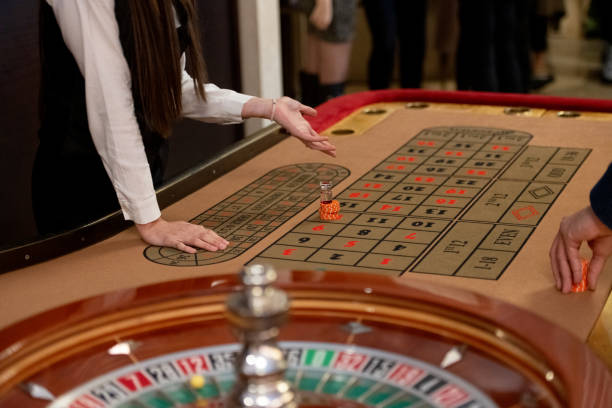
In France, the development of games such as roulette and baccarat added to the allure of casinos, attracting aristocrats and affluent patrons. These games were often played in lavish settings, complete with ornate decor and attentive service, creating an experience that appealed to the wealthy elite. This period also saw the introduction of regulatory measures to ensure fair play and protect players, which are foundational principles still observed in modern casinos worldwide.
The late 19th century brought further changes with the expansion of casinos to the United States. The establishment of gaming venues in places like New Orleans and the rise of Las Vegas in the mid-20th century represented a dramatic shift in the gambling landscape. Las Vegas, in particular, transformed into a global gambling hub, combining luxury, entertainment, and gaming in a manner that had never been seen before. This evolution not only solidified the casino’s role in American culture but also set a precedent for casinos worldwide, influencing design, marketing, and operations.
The Technological Revolution
The introduction of technology has revolutionized the casino industry, particularly in the late 20th and early 21st centuries. The first electronic slot machines appeared in the 1960s, offering a novel gaming experience that quickly captured the public’s attention. These machines combined the thrill of chance with innovative graphics and sounds, making them a staple in casinos. The implementation of technology led to increased efficiency in operations and enhanced security measures, which improved the overall experience for players.
As technology advanced, so did the rise of online casinos in the late 1990s. This transition allowed players to enjoy their favorite games from the comfort of their own homes. Online platforms offered an extensive range of games, from slots to table games, while incorporating interactive features like live dealer options. This digital transformation significantly expanded the audience for gambling, reaching individuals who may have previously been deterred by traditional casino environments.
Furthermore, advancements in mobile technology have also played a significant role in the evolution of gaming. Today, players can access their favorite casinos through smartphones and tablets, enjoying a seamless experience across devices. Mobile applications have optimized gameplay, with user-friendly interfaces and secure payment systems that cater to a new generation of gamblers. This ongoing technological evolution continues to shape the future of casinos, making gaming more accessible and engaging than ever before.
The Ethical Landscape of Gambling
With the growth of the casino industry, ethical considerations have come to the forefront of discussions surrounding gambling. The potential for addiction and its societal impacts have prompted a reevaluation of how casinos operate and engage with their patrons. Many casinos now implement responsible gaming practices, including self-exclusion programs, educational resources, and support for individuals struggling with gambling addiction. These measures reflect a growing acknowledgment of the moral responsibilities that come with operating gaming establishments.
Additionally, there has been increasing emphasis on transparency and fairness within the industry. Regulatory bodies across various jurisdictions have established strict guidelines to ensure that games are fair and that players have access to information regarding odds and payouts. This commitment to ethics aims to foster trust between casinos and their customers, ensuring a more sustainable future for the gaming industry as a whole.
Moreover, as the industry expands globally, ethical considerations must adapt to diverse cultural attitudes toward gambling. What is acceptable in one country may be viewed differently in another, necessitating casinos to navigate complex social landscapes. The focus on ethical gambling practices continues to grow, as the industry recognizes the importance of fostering a positive relationship with communities while promoting responsible entertainment.

MaxiSpin Casino and the Future of Gaming
MaxiSpin Casino Australia exemplifies the modern evolution of casinos, offering a wide range of gaming experiences tailored for players. With an extensive selection of slot games, live table options, and innovative formats such as crash rounds, the casino stands at the forefront of online gaming. Their commitment to user convenience is evident in transparent payment processing and clear limits, ensuring that players have a seamless experience from start to finish.
Engaging promotions like daily prize draws and cashback offers enhance the appeal of MaxiSpin Casino, making it a popular choice among Australian players. This focus on providing added value reflects the casino’s understanding of the competitive landscape in online gaming. By continually adapting to the preferences of their audience, MaxiSpin Casino not only enhances the player experience but also sets a high standard in the industry.
As the gaming industry continues to evolve, MaxiSpin Casino represents a blend of tradition and innovation. The casino’s commitment to responsible gaming practices ensures that players can enjoy their gaming experience while being mindful of their limits. By prioritizing ethical considerations alongside entertainment, MaxiSpin Casino is well-positioned for future growth in a dynamic and rapidly changing landscape.
